
someone else's shoes
English articles

The Allure of Red Bottom Heels

Red bottom heels have an undeniable allure that captivates my attention. They remind me of the iconic Louboutin heels. One day, on an ordinary housing estate where everyday people reside, a woman appeared before me, confidently wearing a striking pair of red bottom heels. I couldn’t help but wonder if they were real, as high heels over two inches are rarely seen in my neighborhood. Most people shy away from the challenge of walking in such daring footwear, yet the unmistakable style of Louboutin heels is easily recognized.

In JoJo Moyes’ novel Someone Else’s Shoes, the Loulontin heels gave women confidence to stand up tall and excel in her roles as a sales representative. The story also features another woman who feels incomplete without her Chanel, Gucci, and other designer outfits and shoes.

The novel revolves around these two women as they navigated difficult circumstances where their partners made them feel powerless and frustrated. How was it possible for a woman to lose everything after her husband left her, leaving her penniless and without even a decent outfit? Meanwhile, another woman endured a horrendous experience with the most inconsiderate boss imaginable. Their lives intertwined when their bags were accidentally swapped at the gym.

One cannot underestimate the resilience and solidarity of women. In times of hardship, they often support one another with remarkable empathy. I admire how the chef in the story provided a new home for the struggling woman. Despite losing her wealth, she stood tall, united with her son, and embraced life with dignity alongside her new friends.

There are countless stories of men who exploit marriage to advance their careers or women who marry wealthy individuals to climb the social ladder. When faced with financial difficulties, money can seem to change everything, yet it’s challenging to sacrifice one’s pride to live with someone lacking genuine connection.

Fewer people, especially in the younger generation, view marriage as the ultimate goal. They aspire to build families and establish solid foundations for their careers, but not at the expense of their personal ambitions. With confidence, they pursue their passions without the constraints of marriage.

I’m left wondering if I truly saw a real pair of Louboutin heels that day. Ultimately, I hope women find their confidence not solely through material possessions but through the unwavering support of their family and friends.
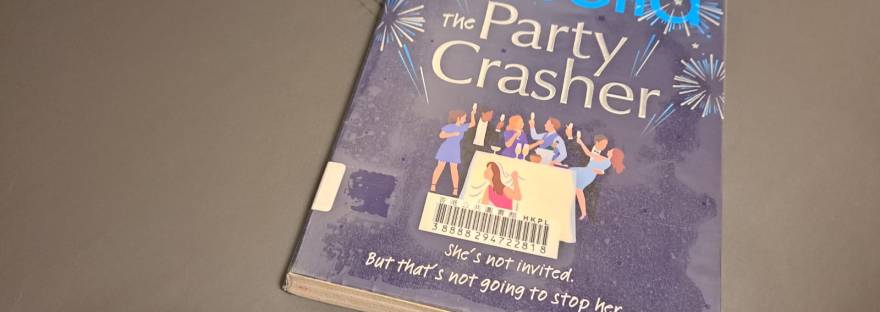
The Party Crasher novel
English articles

Crashed the Family Party

Is it a good idea to set an entire story in a house for over 400 pages? We’ve seen writers attempt this in both movies and books, but not many have succeeded. The story starts with a familiar cliché: a couple divorced, and an old family property needs to be sold. Effie, the youngest daughter is in her 20s but still struggles to let go of the house filled with cherished memories. She resents her father for dating someone new and planning to sell it.

I found The Party Crasher fell short of achieving the classic, humorous love story we see in the Shopaholic series. While there are a few warm scenes, the plot feels shallow and doesn’t provide enough momentum to keep me joyfully engaged over 300 pages.

Effie’s search for Russian dolls serves as a metaphor for the people gathered around the dining table, each with their hidden agendas. However, I didn’t fully grasp the significance of these dolls until the end, when I discovered that the tiny diamond her ex-boyfriend had given her was hidden inside the doll set. Even after years apart, she still misses him. Like many love stories, they reflect on the past and eventually reconcile. Ultimately, a proper family gathering takes place to say goodbye to the house, bringing closure to this house. A new chapter begins with pregnancy, planning for new jobs and many more.

Jojo Moyes
English articles

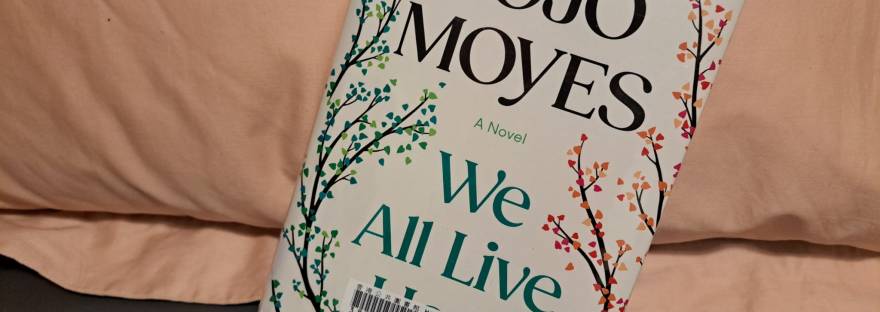
We all Live Here

I hadn’t really spent much time reading for months, but recently, I swapped my workout routine and hours spent on YouTube for some quality reading time. One of the two fiction books I devoured over the weekend was “We All Live Here” by Jojo Moyes.

Honestly, I can be pretty impatient, so diving into Jojo Moyes’ books is sometimes a bit of a challenge for me. She takes her time to build her characters, often starting off with some heavy themes that can feel pretty sad. There were moments when I struggled to process all the emotional turmoil the characters were going through, and I almost gave up. The “Me Before You” series, however, stands out as an exception to this.

If I can get through about a quarter of her books, I usually start to connect with the story and my interest kicks in. That’s when I really pick up the pace with my reading.

With “We All Live Here,” I found myself getting frustrated—just like the main character, Lila. Life can be so complicated and uncertain, and when I read, I want to find joy, humour, and some wisdom. I prefer not to immerse myself in the deep troubles faced by the characters.

Did some parts of the story feel familiar? For sure! Certain scenes reminded me of shows like Desperate Housewives, Big Little Lies by Liane Moriarty, or even Bridget Jones: Mad About the Boy. But this story of “We all Live Here”  is more grounded and focuses on everyday life rather than big drama.

In the end, while the story concludes on a positive note, I felt that Jojo Moyes could have invested more chapters in exploring the characters’ development of their affections for one another. The transition from a troubled beginning to a happy ending felt somewhat rushed and lacked the depth needed to truly resonate with readers. This shift didn’t quite capture the emotional journey that could have made the resolution more impactful and heartfelt.