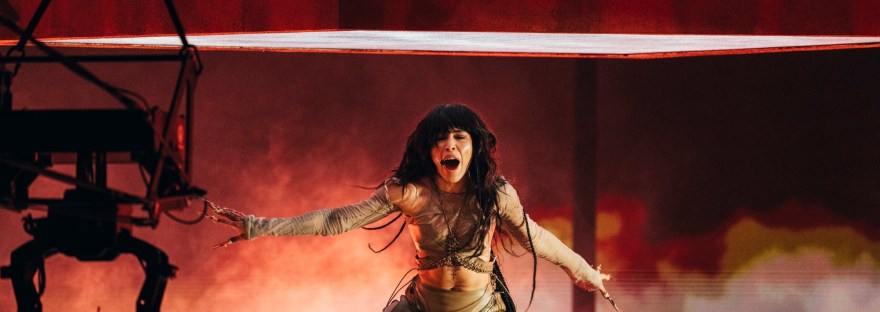
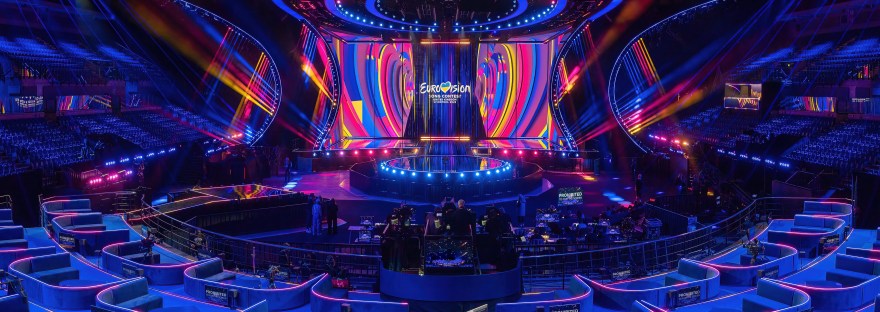
April is always a great month with holidays and Eurovision pre-parties. Early to mid-May is the highlight of the month. This music event is the biggest of all kinds and has given me excitement for years. It is more than a music competition, but a visual presentation of original songs. It celebrates alternative cultures. Many singers, groups, and bands try to convey deep and meaningful messages in their songs – self-love, female power, being confident to be yourself, and the hardship of being artists without insurance or being ripped off. Staging is massive with a week of rehearsals.
This takes up a lot of valuable time for artists to take part in. Hence, not many established artists want to spend so much time participating. It can be very frustrating if a well-known artist does not win the competition.
With the change in the voting system this year, the two semi-finals will solely be decided by public votes, not only by those in the participating countries but for the first time by audiences around the world. Job well done! That’s really a major change. Eventually, the results could be a shock for many people.
The competition is more or less back to normal after the pandemic. No COVID rules, no restrictions on the number of audiences. The complete ambience is back! The official Eurovision organiser creates a lot of interesting content. I personally like the artists’ top 5 picks of their favourite songs in history, say, it’s natural for an Icelandic singer to pick a few past Icelandic entries, or Mimicat, a Portuguese singer, to select Portuguese songs in her Top 5. A few participants chose their own songs to be in the Top 5 as part of their promotion strategy.
Another fantastic official interview series is about the artists’ favourite pictures. Not a bad one. I like how the producer kept the interviews short, spontaneous, and to the point. After all, there are almost 40 entries. Information can be overloaded and repetitive these days with photo galleries, video clips, social media clips, youtube clips, shorts, and interviews on tik tok, youtube, and official platforms.
Staged in Liverpool, this year’s Eurovision is particularly welcoming, friendly, and accessible. Maybe there aren’t any language barriers, maybe it seems to be supported by a famous King and Queen. The world has returned to “normal”.
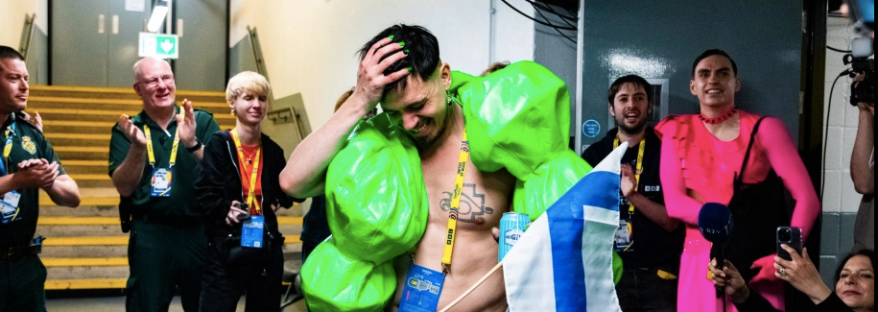
It is unbelievable how much delegations have devoted their energy to promoting their artists and getting exposure on social media. Checking out videos can be fun. For example, Käärijä, the rapper from Finland, shows off his unique personality in the video about what to pack for Eurovision. Some of the dance steps were revealed a bit before rehearsals.
The event is extremely competitive. I would like to see if the number of views of individual videos reflects the semi-final results.
Stay tuned!

 experience today