
Neurological damage, whether stemming from hereditary factors, accidents, bacterial infections, or stress, can profoundly affect the quality of life. A few years ago, I assisted with the Hospital’s charity work, I encountered several children with cerebral palsy. Sadly, many of these children in China were abandoned. Their disabilities hindered their ability to walk and speak.
A middle-aged man living in a village decided to adopt a young girl with cerebral palsy. His story particularly moved me. Despite being unmarried, he has dedicated over a decade to caring for her. However, as she entered her teenage years, the man also grew older. The challenges of daily care—such as bathing and using the toilet—have become increasingly difficult.
I witnessed the girl undergo various surgical and physiotherapy treatments over the years. Unfortunately, I did not perceive these as significant improvements. She has a strong mind and remained optimistic each time I saw her. Initially, I believed these treatments alleviate some complications of cerebral palsy. However, these treatments cannot repair the underlying brain damage.
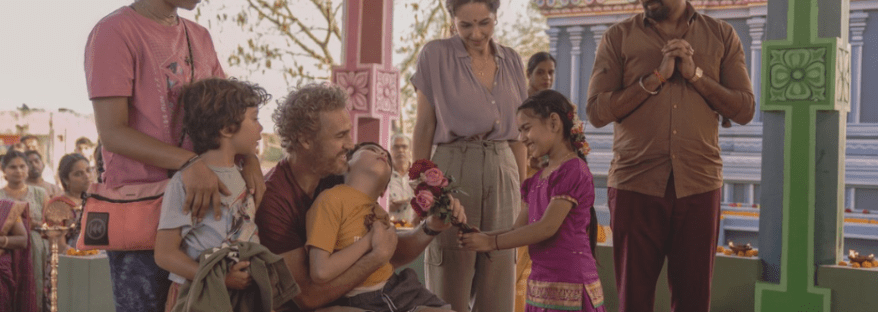
My point of view shifted slightly after watching the Netflix movie “Lucca’s World.” It introduced me to a machine called Cytotron. This machine claims to treat cancer and neurological disorders without the side effects commonly associated with drugs. Developed by a scientist in India, this technology seems almost unbelievable. The machine encourages tissue regeneration. This explains why Lucca’s neural connections multiplied after a series of Cytotron therapies. These connections are crucial for limb movement, cognitive growth, and language development.
Yet, I found myself questioning: Is it too good to be true? Can treatment be so precise that it targets only the damaged areas? What about the healthy tissues exposed to the Cytotron rays?
If the therapeutic benefits of this machine are as remarkable as suggested, it is indeed a divine gift. Many contemporary diseases, including strokes, brain tumors, Parkinson’s disease, dementia, depression, and anxiety, are linked to neurological health.
I was deeply moved by the sacrifices made by Lucca’s parents. This journey marks a pivotal moment in their lives, allowing them to pursue their beliefs and hopes. The love within their family is palpable. I sincerely hope it inspires hope in others facing cancer and neurological challenges.

 experience today